I See Us
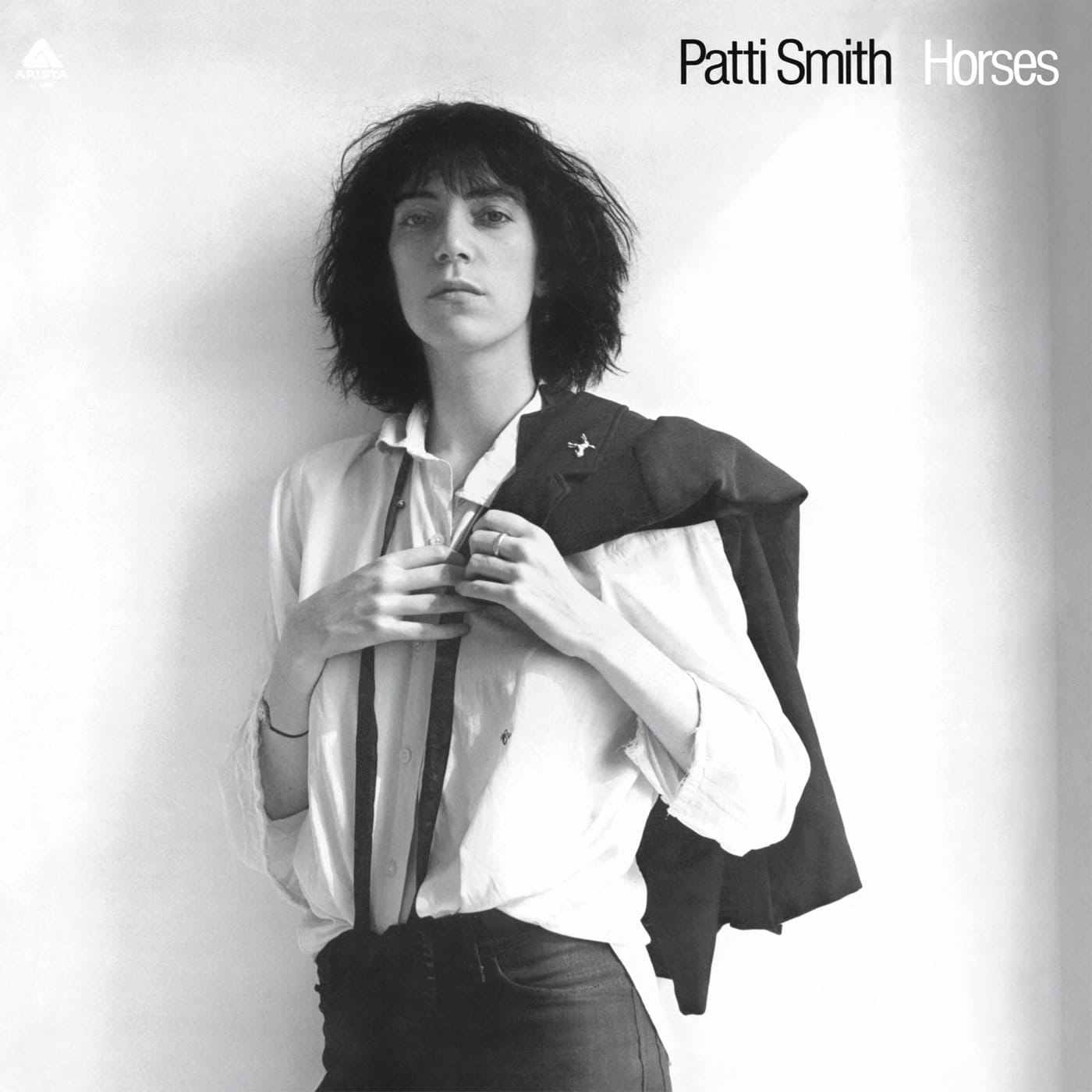
Horses by Patti Smith - A Salvation Army shirt. A Frank Sinatra gesture. Twelve photographs. One afternoon in a New York apartment. And one important album cover.
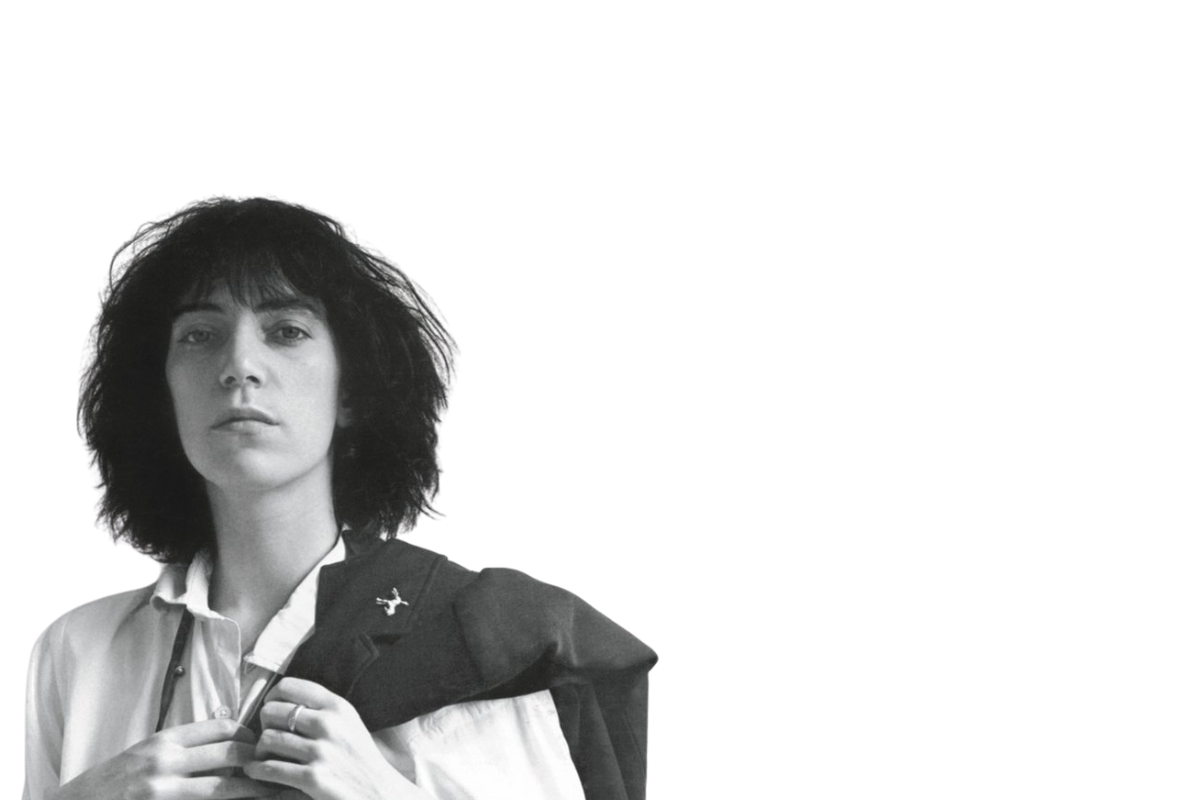

Why is the cover of Horses by Patti Smith important? Why is it celebrated? What is it about a black and white photograph of a woman in a white shirt, jacket slung over her shoulder, staring directly at the camera, that makes it one of the most significant album covers in music history?
I'm not a huge Patti Smith fan. I respect her enormously but her music isn't something I reach for. So I came to this cover the same way I come to all the covers on this blog; with curiosity rather than reverence. And what I found is a story about friendship, about identity, about a single afternoon in a New York apartment, and about why one photograph can change what it means to be a woman on an album cover.
Album Anatomy
| Album | Horses |
| Artist | Patti Smith |
| Released | November 10, 1975 |
| Label | Arista Records |
| On the cover | A black-and-white portrait of Patti Smith in a white shirt, jacket slung over her shoulder, a black ribbon at her collar |
| B-Side | A Salvation Army shirt, a jacket slung Sinatra-style, and just twelve photographs. |
| Design | Bob Heimall |
| Photography | Robert Mapplethorpe |
| Genre | Punk |
| Decade | 1970s |
| Buy It | Amazon |
New York, 1975
Patti Smith always knew Robert Mapplethorpe would shoot the album cover for Horses. Their friendship was so extraordinary and his reputation as a photographer was skyrocketing.
Smith and Mapplethorpe had met in New York in the mid 1960s and formed one of the great creative partnerships in American art history. They had lived together, loved each other, supported each other through poverty and obscurity, and emerged on the other side as two of the most significant artistic figures of their generation. By 1975 Mapplethorpe was one of the most talked about photographers in New York. Smith was about to release her debut album. There was never any question about who would shoot the cover.
Mapplethorpe chose Sam Wagstaff's penthouse apartment on Fifth Avenue as the location for the shoot. Wagstaff was a private art collector and one of the first to collect photography seriously in the early 1970s. The apartment was large, had white walls and was bathed in natural light.
Before the shoot, the two of them ate eggs and grits at the Pink Tea Cup cafe in the West Village. A last meal before history.
The Shirt
The only thing Mapplethorpe asked of Smith was that she wear a clean shirt with no stains on it. That shirt was specifically selected from the Bowery Salvation Army; a white button down with the monogram RV embroidered on the breast pocket. Smith chose it hoping it had belonged to Roger Vadim, the French director who had filmed Barbarella with Jane Fonda in 1967.
A shirt from the Salvation Army. A monogram she hoped belonged to a French film director. On the cover of one of the most celebrated albums in music history.
The one she chose had an RV embroidered on the breast pocket, which she says reminded her of the movie Barbarella. Full of references, as she would later say. Always full of references.
Twelve Photographs
The shoot itself was brief. Twelve pictures were taken. One of which was used as Smith's album cover.
Smith tried several poses. Nothing felt right. And then, she flung her jacket over her shoulder, Frank Sinatra style.
That was the one. A gesture borrowed from the Chairman of the Board, captured by one of America's greatest photographers, in a penthouse apartment on Fifth Avenue, wearing a Salvation Army shirt with someone else's initials on it.
There was no discussion about what the resulting image should look like or what they would do. Smith had her look in mind. She knew. Mapplethorpe knew. Twelve photographs. One afternoon. One jacket over one shoulder.
Why It Mattered
And now, the answer to the question. Why is this cover important?
In 1975 the music industry had very specific ideas about what a woman on an album cover should look like. Glamorous. Sexualised. Soft. Approachable. The female artist as an object of desire rather than a subject of power.
The cover of Horses is none of those things.
Smith stands against a white wall in a men's shirt, braces visible, jacket over her shoulder, looking directly at the camera with an expression that contains absolutely no interest in your approval. The tensile strength of Smith's brash androgyny is resolutely laid bare. She is not performing femininity for the camera. She is not inviting you in. She is simply there; present, powerful, entirely herself.
Smith was full of references. Mapplethorpe was full of light and shadow. The result was an image that said something the music industry hadn't heard before; that a woman could stand on an album cover exactly as she was, without apology or performance, and be magnificent.
It was 1975. That was radical. In some corners of the music industry, it still would be.
The Cover Lives In Museums
The cover of Horses is now in the permanent collection at MoMA in New York; a lithograph, 12 by 12 inches. It also lives in the collection at the Getty Museum in Los Angeles and the National Galleries of Scotland in Edinburgh. A photograph taken in an afternoon, in twelve frames, of a woman in a Salvation Army shirt, is now considered one of the great works of twentieth century photography.
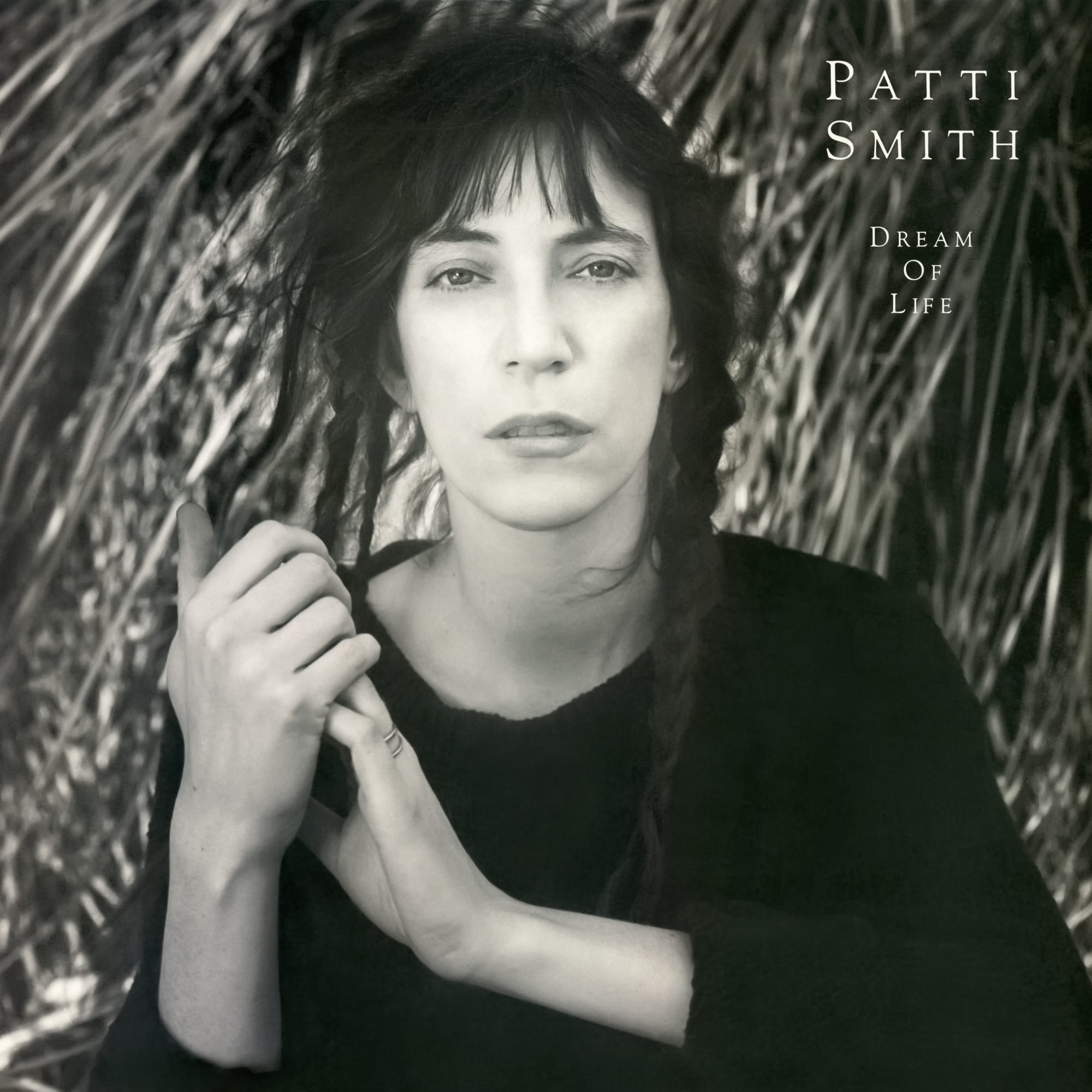
Apart from his self portraits, Smith was Mapplethorpe's most photographed subject. He shot the cover of her 1988 album Dream of Life too. Two covers across thirteen years. A friendship that produced some of the most extraordinary images in American photography.
Mapplethorpe died of AIDS related complications in March 1989. He was 42.
I Never See Me. I See Us.
Smith wrote about the cover of Horses in her memoir Just Kids; one of the great books about friendship and art and New York and youth. And she said something about looking at the cover now that stops you cold.
"When I look at it now, I never see me. I see us."
That is why this cover matters. Not because of the shirt or the jacket or the Frank Sinatra gesture or the Salvation Army monogram. Not because of the white walls of Sam Wagstaff's apartment or the natural light that Mapplethorpe waited so carefully for. Not even because of what it said about women and album covers and 1975.
It matters because two people who loved each other made something true. And the camera caught it. And fifty years later you can still feel it in the image; the friendship, the trust, the complete absence of performance.
That is what a great album cover does. It holds something real inside it. Something that survives the music, survives the era, survives everything.
I never see me. I see us.