The Lawn They Built
To Pimp A Butterfly by Kendrick Lamar - I heard King Kunta on Triple J and bought the album for the music. I never really looked at the cover. I should have.

I remember when I first heard King Kunta on Triple J. I was in the car. It was awesome. By the end of the day I had to buy the album. By the end of the week I had played it on repeat more times than I could count.
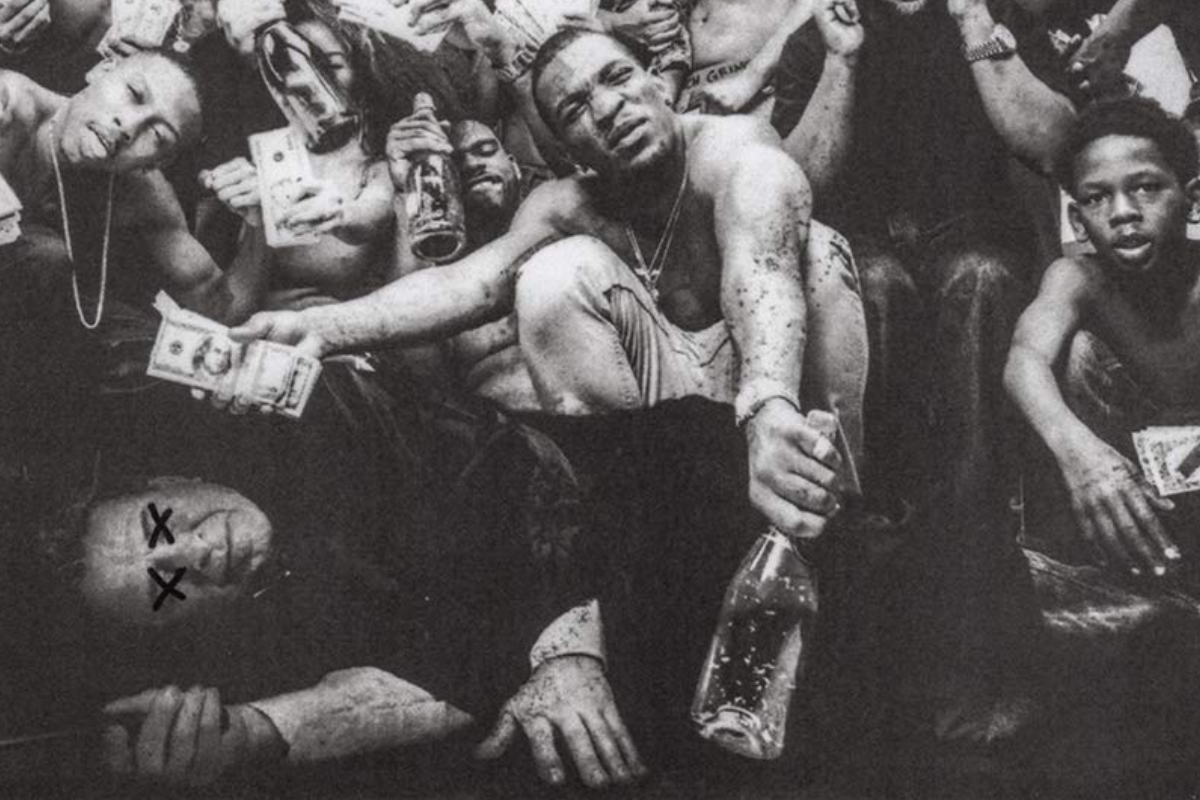
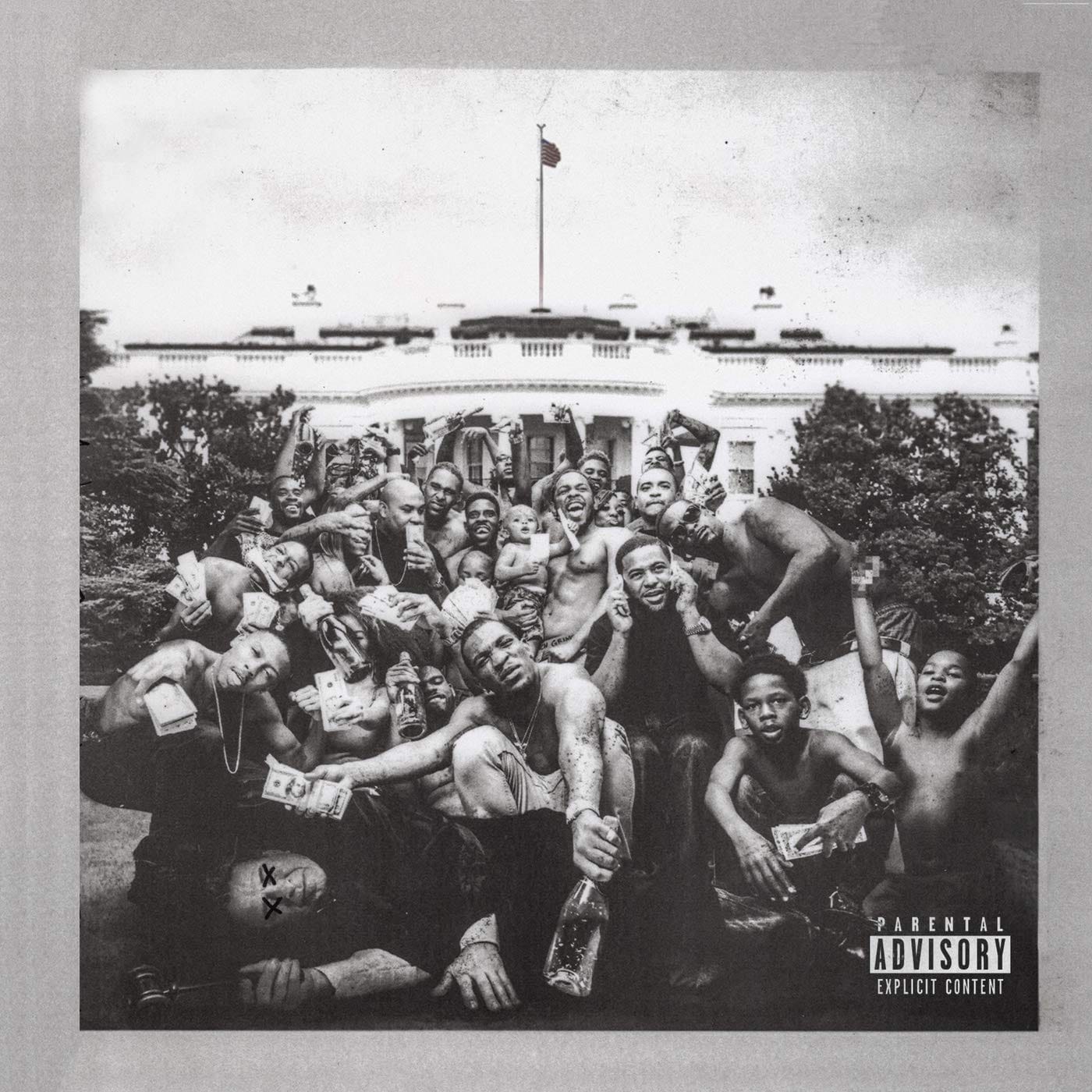
I never actually really looked at the cover. Not properly. I knew there was a group of men in front of the White House.
I should have looked harder. Because the cover of To Pimp A Butterfly is not just striking. It is one of the most carefully constructed, most politically loaded, most deliberately layered album covers of the 21st century.
The Photograph
The cover displays a black-and-white photo by French photographer Denis Rouvre of a house party outside of the White House.
But calling it a house party photograph is like calling Guernica a war sketch. The description is technically accurate and completely insufficient.
While Top Dawg Entertainment confirmed that the concept was conceived entirely by Kendrick and manager Dave Free, they tapped renowned French photographer Denis Rouvre to bring the vision to life. Rouvre's background lends even more context to the weighted image; since 1992, Rouvre has split time shooting portraits of world famous celebrities and anonymous ordinaries from all walks of life. He won a World Press Photo award for his portraits of Japanese tsunami survivors.
A World Press Photo award winner. Chosen deliberately. To photograph a group of young Black men from Compton celebrating on the White House lawn.
The choice of a French photographer to document this specifically American moment is itself a statement; an outsider's eye on the most inside of American institutions.
The People
All the people on the album cover with Kendrick are friends and family from where he grew up in Compton. The cover represents him sharing his experiences with them. Many of them were part of his stories on good kid, m.A.A.d city.
In his own words to Mass Appeal: "Just taking a group of homies who haven't seen the world and putting them in these places that they haven't necessarily seen… and them being excited about it."
That sentence is doing an enormous amount of work. Homies who haven't seen the world. Places they haven't necessarily seen. The White House; the seat of American power, built in part by enslaved African Americans, reimagined as a place where the people it was built to exclude could celebrate, drink, hold cash and feel at home.
D.C. commissioners in 1792 planned to import workers from Europe but response was dismal, so they turned to African-Americans, enslaved and free, to provide the bulk of labour that built the White House, the United States Capitol, and other early government buildings.
The men celebrating on the cover of To Pimp A Butterfly are standing on a lawn that their ancestors built. That is not an accident. Nothing on this cover is an accident.
The Judge
Now look more carefully at the bottom of the image. There, beneath the feet of the celebrating men, is a body. A white man in a suit. Lying face down on the White House lawn.
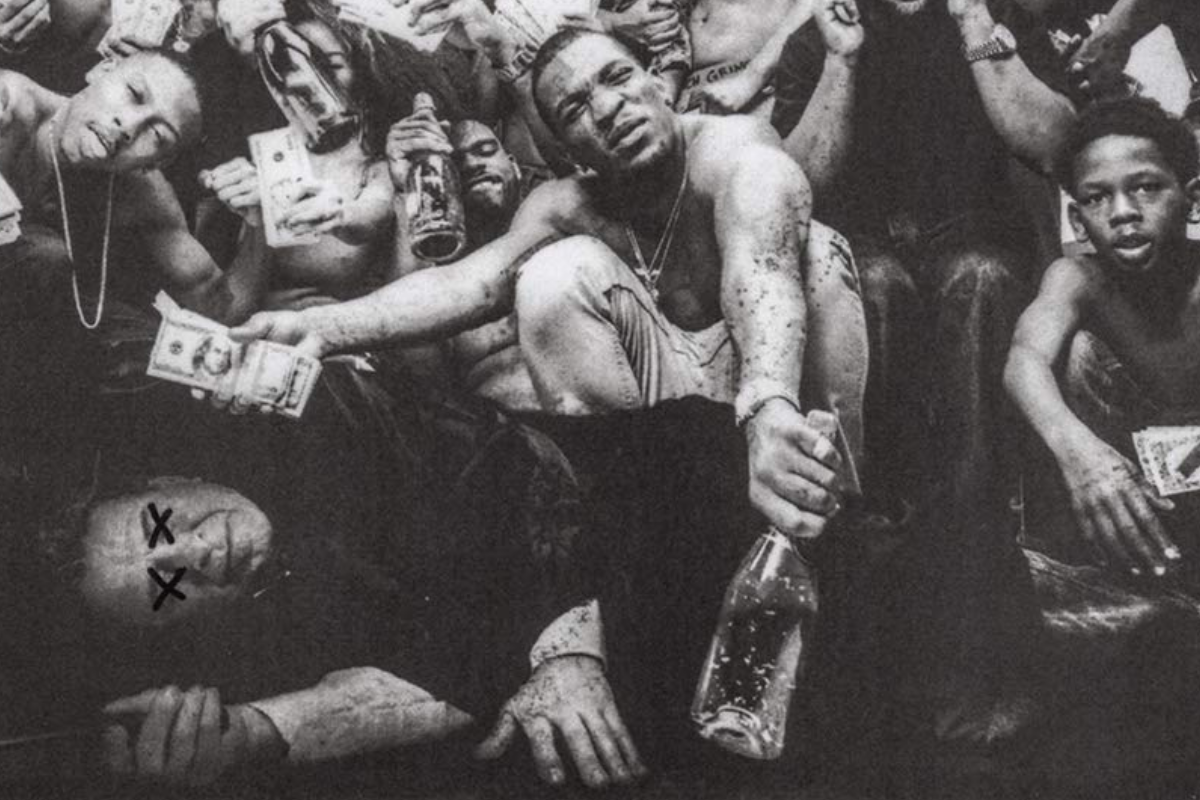
Kendrick explained the significance of the dead judge directly: the people standing over him are good people who are products of their environment, and that a judge would have them represented negatively.
The judge makes time. He gives sentences. He is a relentless machine working against the rights of Black citizens. And on this cover, he is face down on the lawn. Not killed. Not celebrated in death. Simply, removed from power. Beneath the feet of the people he would have judged.
The white judge keeled over is icing on the cake. A bunch of Black men posing in front of the White House like it's a house in the hood speaks volumes about America's original public housing project. It's just another house we don't own so fuck it.
The Blurred Finger
Here is the detail that most people never notice until someone points it out.
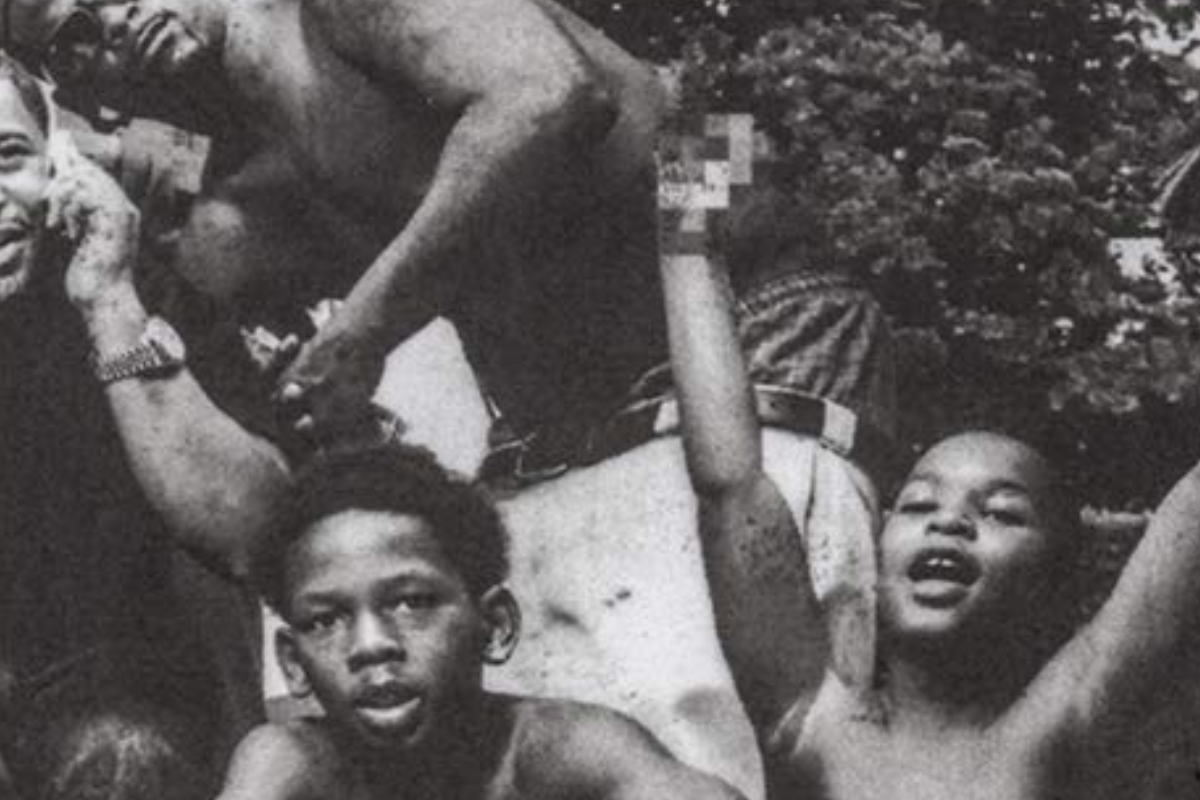
A closer examination reveals a kid with a blurred-out middle finger, which just happens to be right above one of those odious "parental advisory - explicit content" labels.
A deliberately blurred middle finger, positioned directly above the parental advisory sticker, on an album cover photographed by a World Press Photo winner, in front of the White House, with a dead judge at their feet.
Every single element of this cover was chosen. The blur was a choice. The positioning was a choice. The message is impossible to miss once you see it, and impossible to prove was intentional, which is precisely how it was designed.
Obama
It is impossible to talk about this cover without talking about Barack Obama.
To Pimp a Butterfly was released in 2015, the penultimate year of former president Barack Obama's second consecutive term in office. Obama's cultural impact as the first Black president paved the way for the cover to become one of the most powerfully symbolic pieces of iconography of the Obama era. With Obama in the Oval Office, there was finally a bridge that many people thought to be unattainable, and in this same way the cover is symbolic of Obama's invitation of rap and Blackness into the White House.
The mutual admiration between Lamar and Obama is well documented. In a live YouTube Q&A where Obama was asked who between Lamar and Drake would win in a rap battle, he chose Lamar and has gone on record several times to declare his praise for TPAB.
Kendrick reflected on the moment their worlds officially met: "I sat down with President Barack Obama and shared the same views."
A rapper from Compton. The President of the United States. Sharing the same views. In the White House. The cover had already imagined exactly this.
What The Cover Actually Says
Here is what I think about the cover of To Pimp A Butterfly now, as someone who heard King Kunta on Triple J and bought the album without really looking at the image on the front.
It is a cover that asks a question. Everybody's either preparing for the revolution or celebrating a victory, which makes it deliciously ambiguous.
Is this the before? Or the after?
Kendrick and his homies on the White House lawn; are they about to take power, or have they already taken it? The image doesn't tell you. It holds both possibilities simultaneously. And that ambiguity is the most powerful thing about it.
In Rolling Stone's updated list of the 500 Greatest Albums of All Time, To Pimp A Butterfly was ranked 19th. A album released in 2015, already sitting at number nineteen in the greatest albums ever made. The cover that goes with it is equally extraordinary.